

Inaccurately classifying products according to regulatory requirements can lead to significant business challenges and risks such as cross-border delays, fines and penalties. The VMware product classification system enables Product Release Managers to easily submit their product releases for global trade classification.
My Role:
UX Strategy | UX/UI Design | Dev. Support
Design tools:
Miro | Balsamiq | Figma
Understanding the Status Quo
In VMware’s quest for an efficient PCQ process, they turned to a third-party SaaS application. Yet, as the story unfolded, challenges emerged like shadows in the night: soaring costs from regulatory changes, frustrating user interactions, slow performance, lack of collaboration capabilities, and poor integration with existing product release related tools.
Working together with a UX Researcher, we uncovered these pain points using a mix of discovery research methodologies. I also coordinated a heuristic analysis of this tool with other designers to further understand the problem areas as discovered in the initial research study.

Mapping out new flows
Based on a thorough deep dive into understanding the problem and engaging in collaborative activities with the legal and trade compliance teams, I mapped out new user flows to ensure that every step in the user journey is well thought out, optimized and documented for the new design.
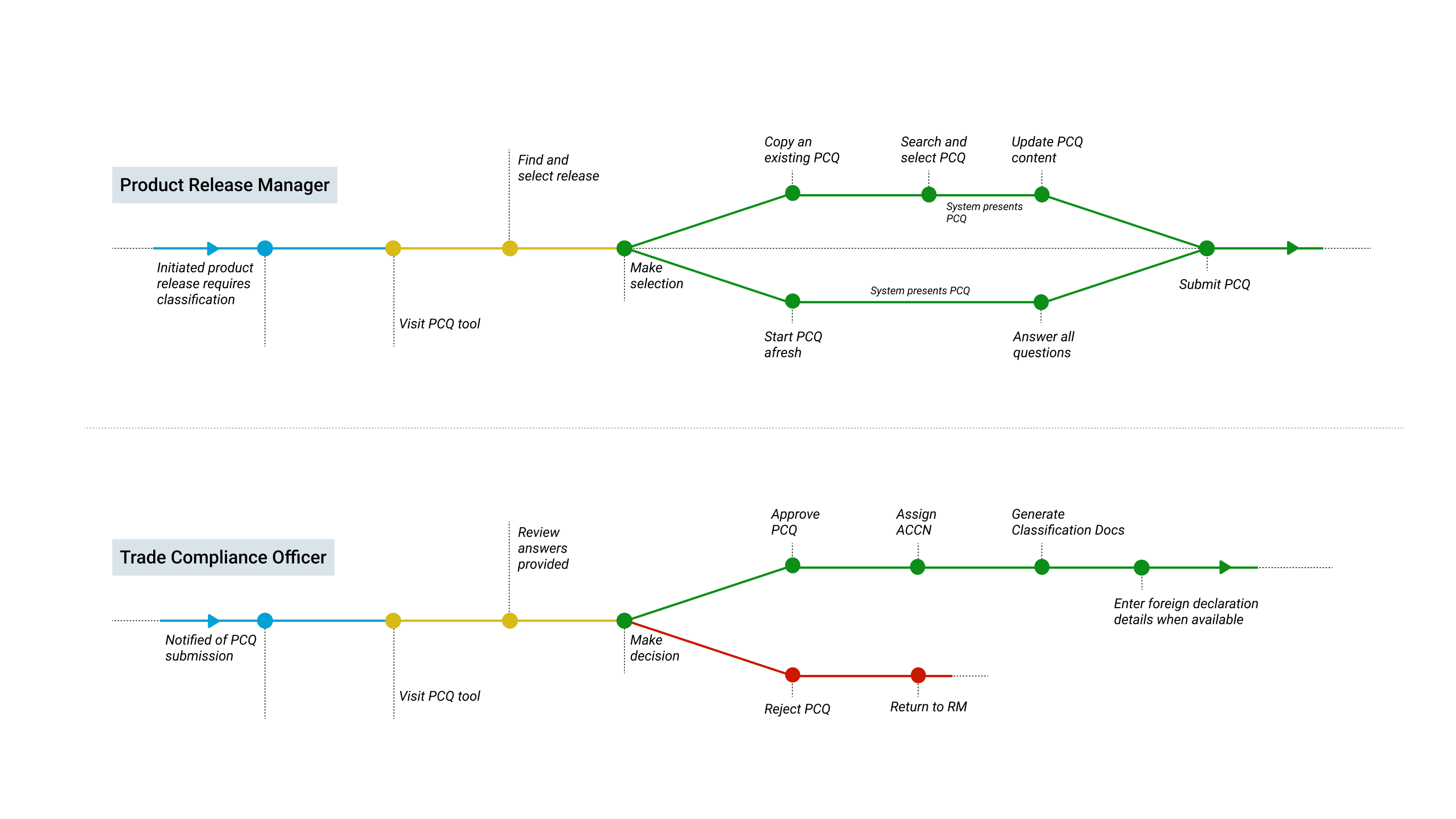

A crucial part of this project involved integrating the new platform with existing systems at VMware, such as the product catalog. This integration aimed to streamline the process by reducing manual entry of release information and minimizing potential human errors.
Our overarching goal was to ensure that all product types, including SaaS and On-Prem products, could be properly classified within the tool. This became even more vital during the VMware acquisition by Broadcom, as it was necessary to incorporate Broadcom’s products into the classification system as well.
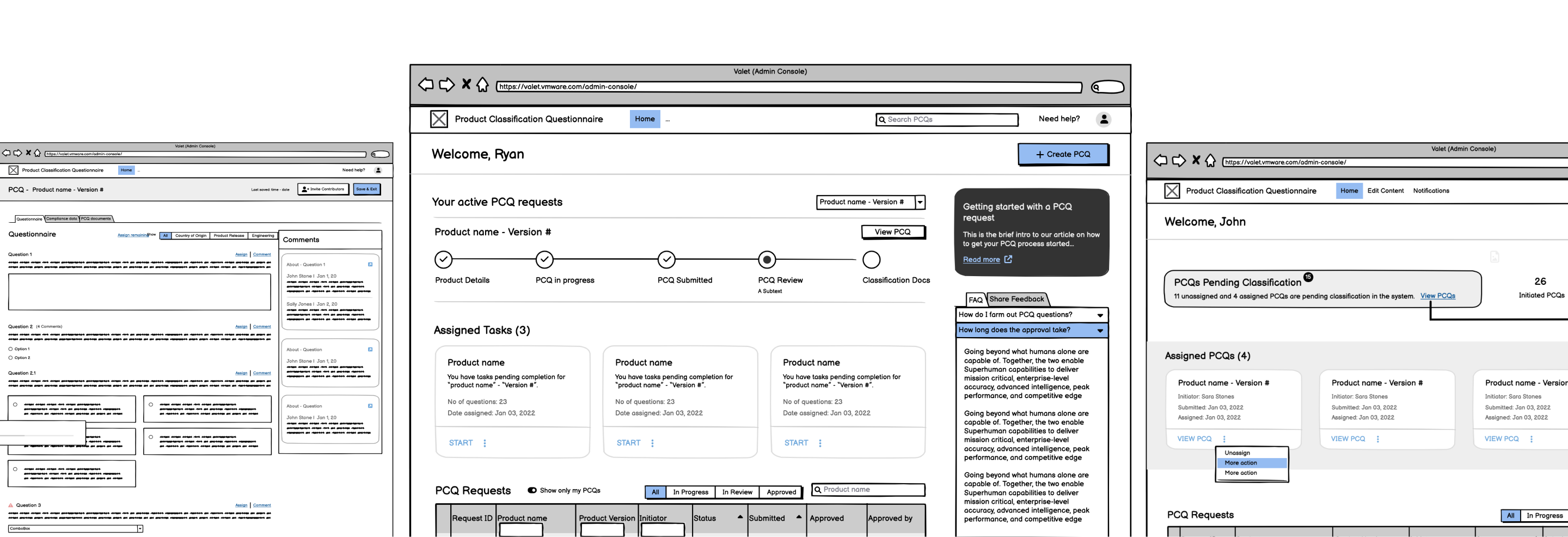
I visualized the layout and structure of the pages. This allowed us to share various options under consideration, exchange early ideas, and iterate efficiently with low-fidelity prototypes.
Designing the details
It is widely known that most people are visual learners. Consequently, it is always interesting when design effort gets to the point of high-fidelity prototypes. Every relevant stakeholder starts to see and appreciate design solutions and decisions.
I led the design prototyping process, creating prototypes tailored to each identified user role and the admin console, and laying a solid foundation for my team to create further screens in both light and dark user interfaces. These new designs leverage established terminologies across the user groups.
They also played a dual role, informing both the planning and execution of usability testing, as well as the design-to-development workflow. My approach involved a deep dive into design, interactive prototyping and accessibility, using VMware’s Clarity Design System.

Status Management
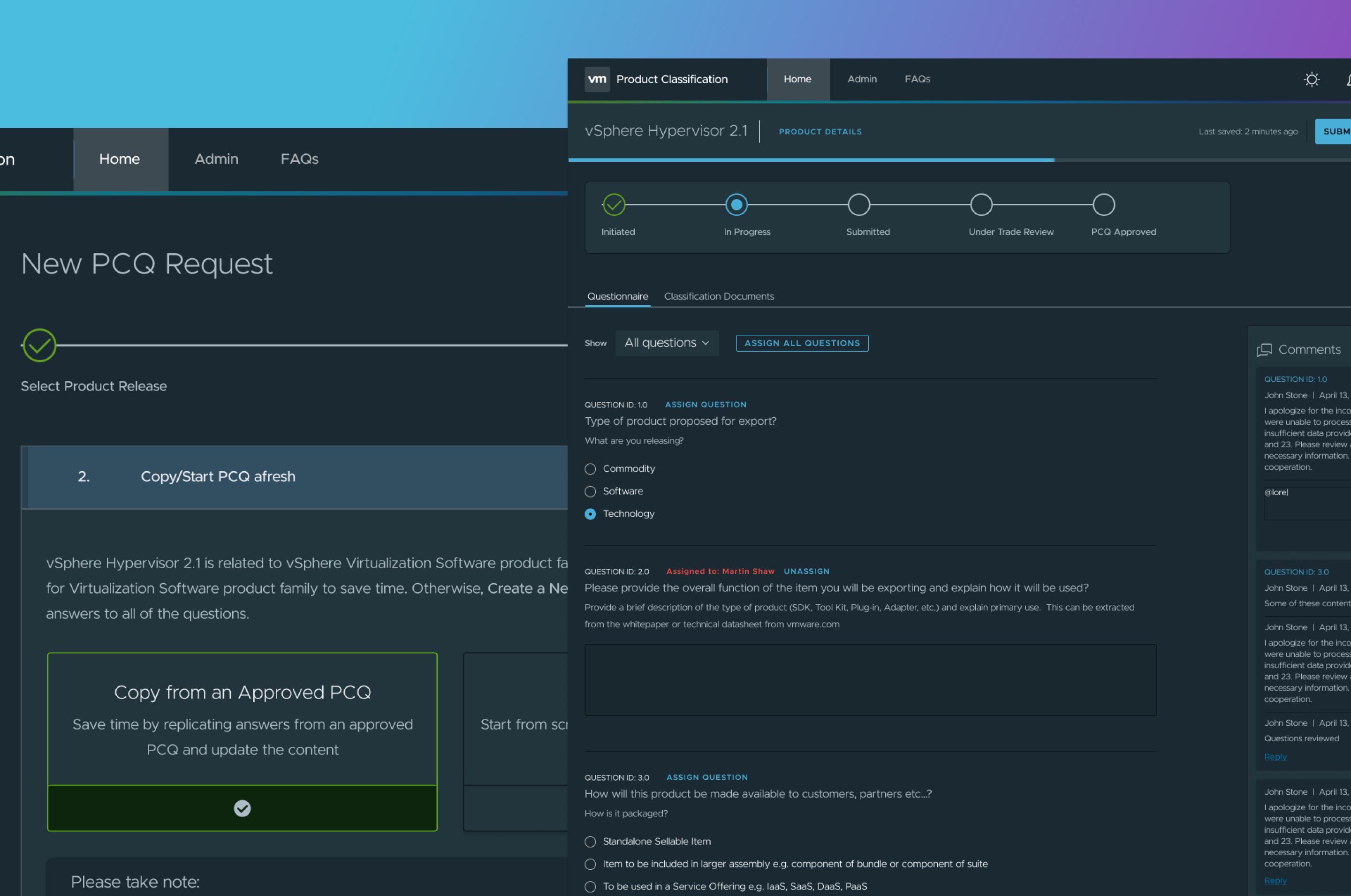
During our discovery research study, Product Release Managers and Trade Compliance Officers expressed significant concerns regarding the inability to review past actions and the absence of automated progress monitoring for current requests. In response, I worked closely with key stakeholders to develop a comprehensive status management system featuring clear visual cues displayed on the homepage and questionnaire pages. These intuitive indicators eliminated the need for external assistance for progress report.


Historical view
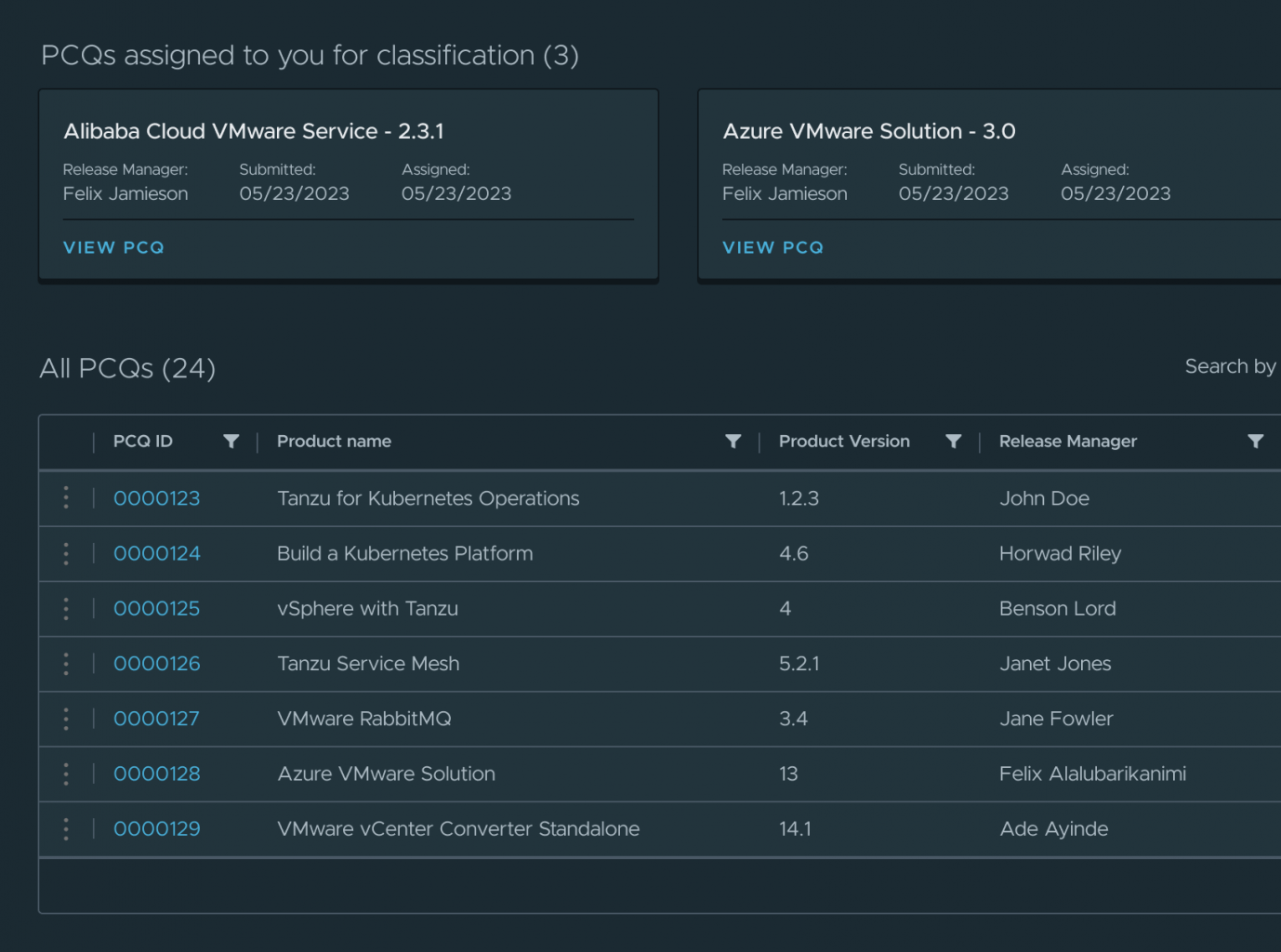
I maximized the real estate on the homepage to offer users a comprehensive view of all submitted requests across various statuses, enabling easy access to historical data.
Easy request submission
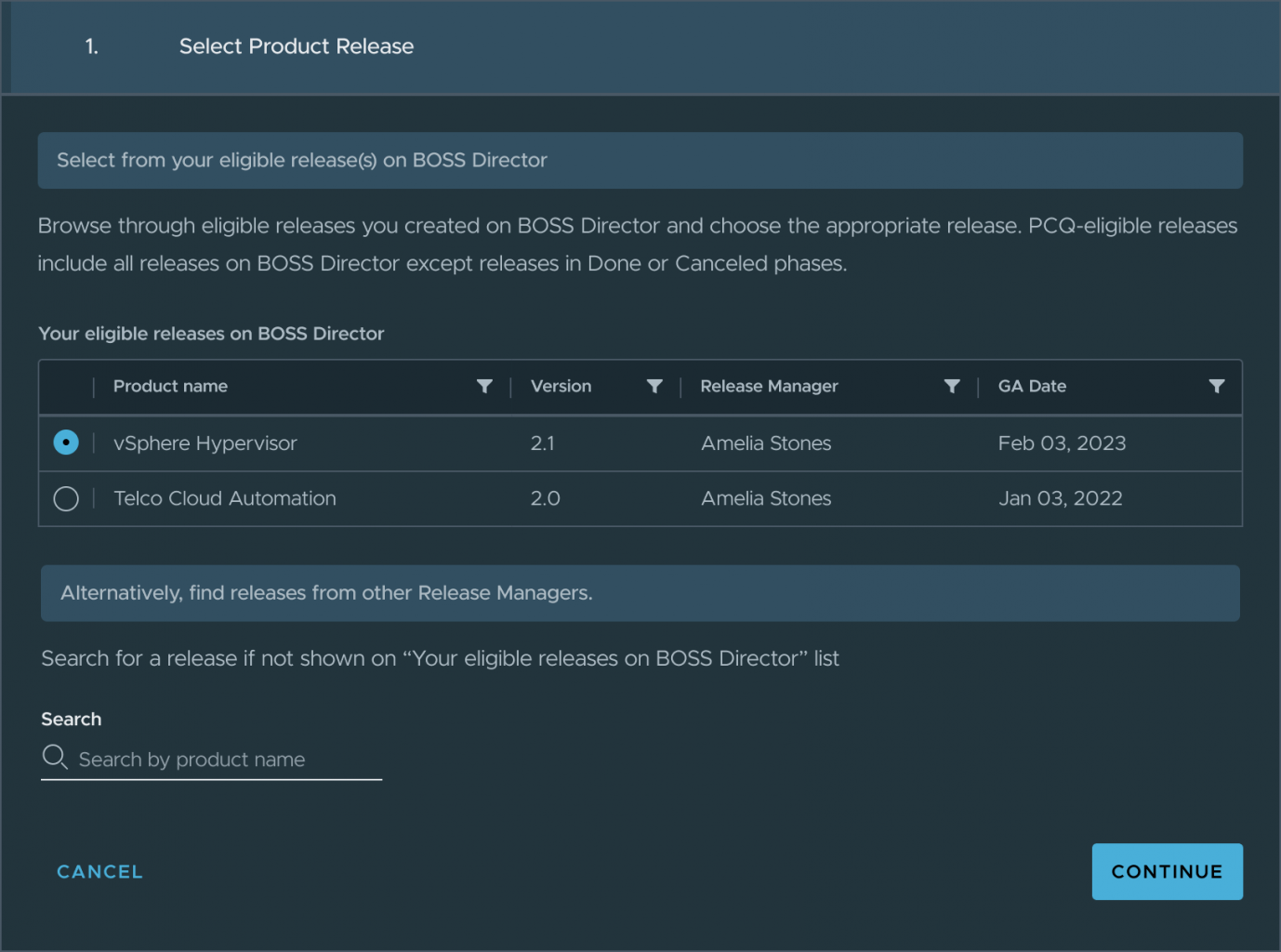
I designed a simplified PCQ request process, leveraging integration with existing product release tools, thereby eliminating manual entry of product-related information.
Admin Console
We wanted the admin console to function as the powerhouse enabling the Trade Compliance team to efficiently oversee product classification questionnaires, enabling swift responses to global regulatory shifts independently of technical support.
Inspired by the functionality of Microsoft PowerPoint, I designed the system to provide users with real-time visibility into the changes they make, ensuring seamless and responsive management.
Business Impact
Reduced Cost: More than $400,000 saved annually in license and enhancement costs.
Strategic Capabilities: Scalability, smooth communication and end-to-end integration with other systems are strategic advantages that were a result of the new PCQ platform
Data Privacy: With PCQ becoming an internal application, VMware got control over all PCQ-related data creation, access, modification and deletion.
Next Steps
- AI Integration: Looking ahead, enhancing system efficiency can be achieved through the integration of artificial intelligence. By leveraging existing product release data, AI offers the potential to automate the classification of new products, paving the way for a more streamlined process.
- Scale: Product classification remains a predominantly manual process in numerous organizations, primarily due to the intricacies of their product/service portfolios. As our team has successfully tackled various challenges within the classification process, exploring avenues to package this as a standalone product for other organizations presents an intriguing opportunity for future growth.
High Fidelity Prototype

Curious about this case study and eager to delve deeper into the objectives, UX strategy, design process, success metrics and business impact? I would be delighted to share insights about these and the challenges faced, the innovative strategies employed and more from this compelling project during an interview discussion.
Feel free to contact me via email at frederick.ogunyomi@gmail.com

