
HONING THE SEARCH EXPERIENCE
The RBC Policy and Procedure Library (PPL) houses RBC policy and procedure related documents. With over 30,000 documents being stored and accessed on PPL, it is an extremely important aspect of both the operational and risk management processes of the Bank.
THE CHALLENGE
Given the vast scale of these repositories, locating documents was proving to be increasingly challenging. Furthermore, as the library had not been revamped for an extended period, the rapid evolution of technology was swiftly surpassing PPL, leading to critical user pain points.
MY ROLE
Simply put, …my role was to connect the dots.
I led design efforts from user research to understand user pain points and workarounds employed, ideation, prototyping and testing.
Worked alongside a Business Analyst, Scrum Master, Tech lead, 2 Product Managers and many Subject Matter Experts to bring the project to life.
SUCCESS METRICS
Efficiency and Discoverability are the main areas of focus. The aim is to make PPL search more efficient by reducing the average time it takes users to reach policy documents.
Making documents easy to find will result in reduced calls being received by second line of support.
Also, we have to reduce the chances of presenting irrelevant and inaccurate information to users during searches.
DESIGN STRATEGY
Users are at the centre of the design process. So, establishing an iterative cycle of research, design and evaluation is imperative.
Research: Initial user research to help understand the user needs including: capabilities, limitations, goals and expectations.
Design: User research insights to be used to generate ideas and early designs. High fidelity prototypes to be used to bring concepts to life and organize for evaluation.
Evaluation: It is important to capture user feedback and to measure UX throughout the project
A universal design approach was also the way to go considering how to meet the needs of the largest group of users as much as possible. Also, I set out to make accessibility specifications a priority.
RESEARCH METHODOLOGY
Used a combination of qualitative and quantitative means to collect information across all business segments of the Bank. Research reports highlighting learnings and recommendations were presented to stakeholders and senior management for buy-in.
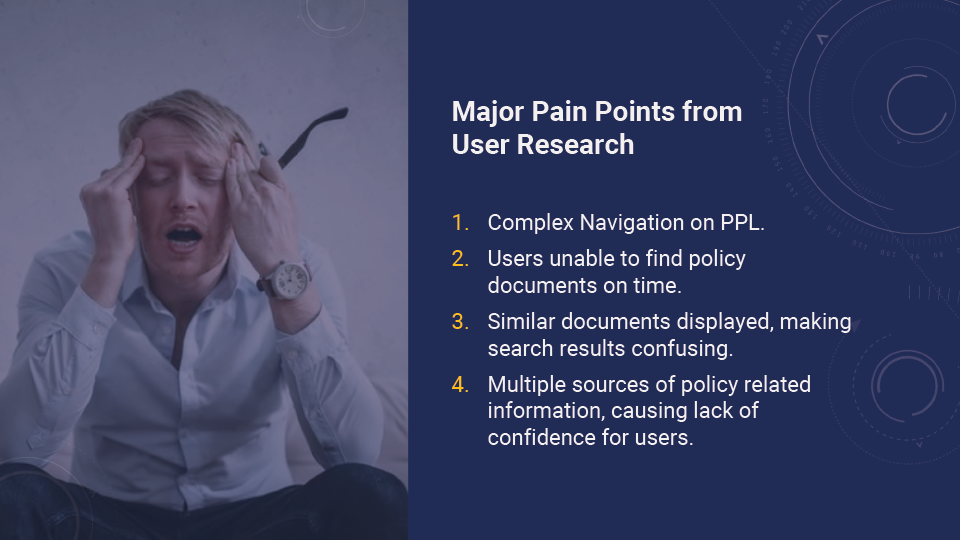
PPL not a Dump!
Providing an enterprise-wide one-stop-shop knowledge management system to avoid dumping non-policy related documents in PPL.
Role-based search is way to go. This implies only policy documents relevant to users’ roles should be presented to them during search.
Providing a way to continuously collect user feedback about search and policy documents will help identify areas of improvement in the future.
IDEATION
New Search flow
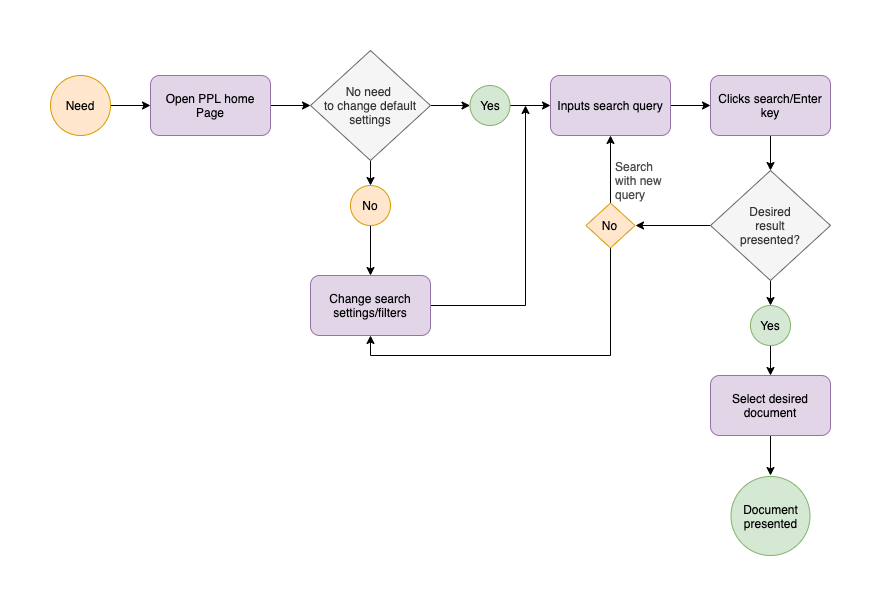
New PPL should recognize a user’s location and role. Only relevant documents should then be presented based on these criteria.
Search should be smart enough to recognize special keywords like document titles, document types and document numbers within search queries.
When results are not found, relevant error messages should be presented to users for the next steps/guidance.
Initial Sketches
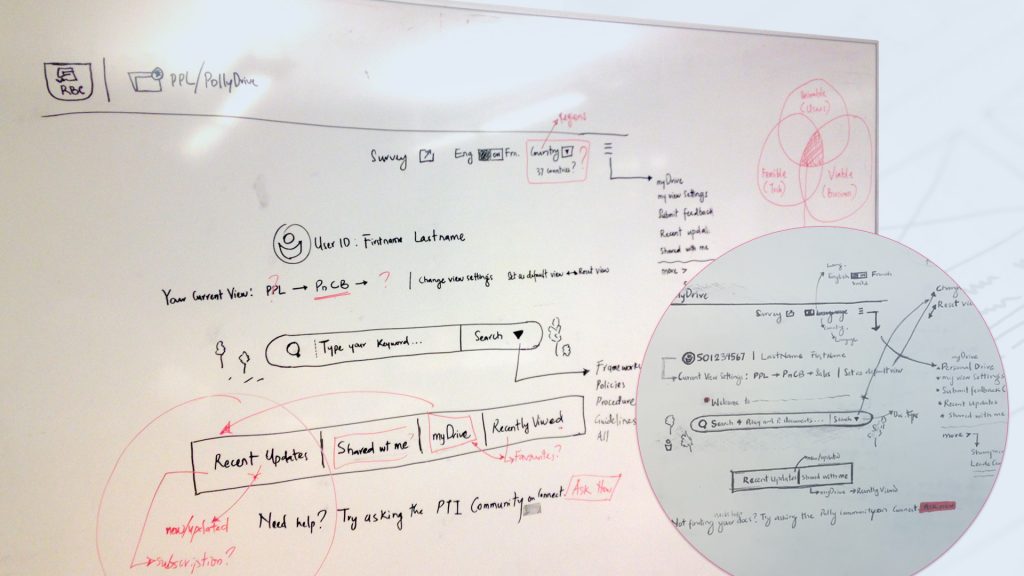
GUIDING PRINCIPLES
Users should feel in control of the PPL search, without adding any layer of complexity.
Users should immediately know how to navigate to get tasks done.
The final design must be intuitive and fit into users’ regular search engine use i.e. no serious training is needed to effectively use the platform.
Instant value/service should be provided to users using the real estate on the homepage effectively.
Wireframes
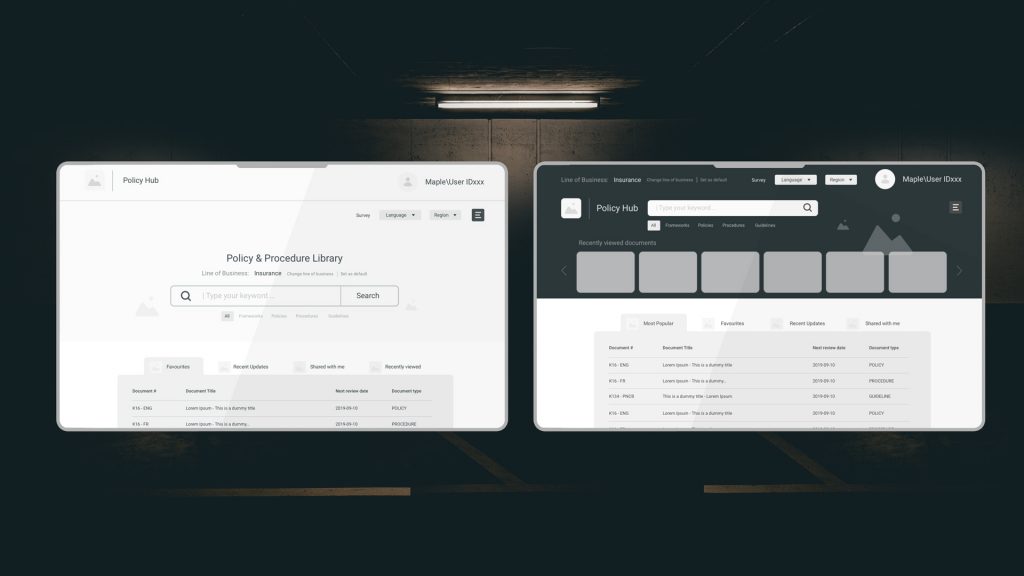
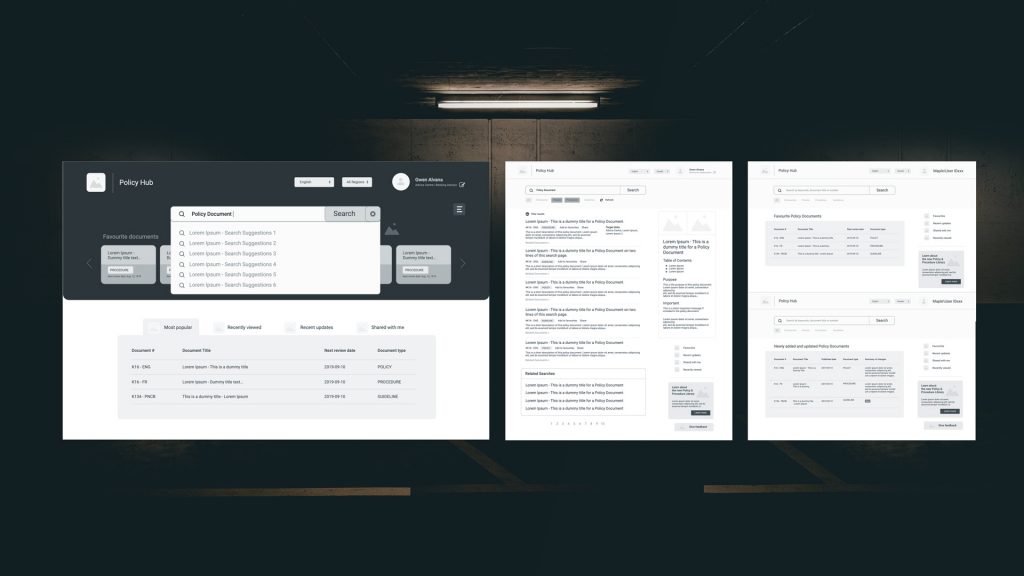
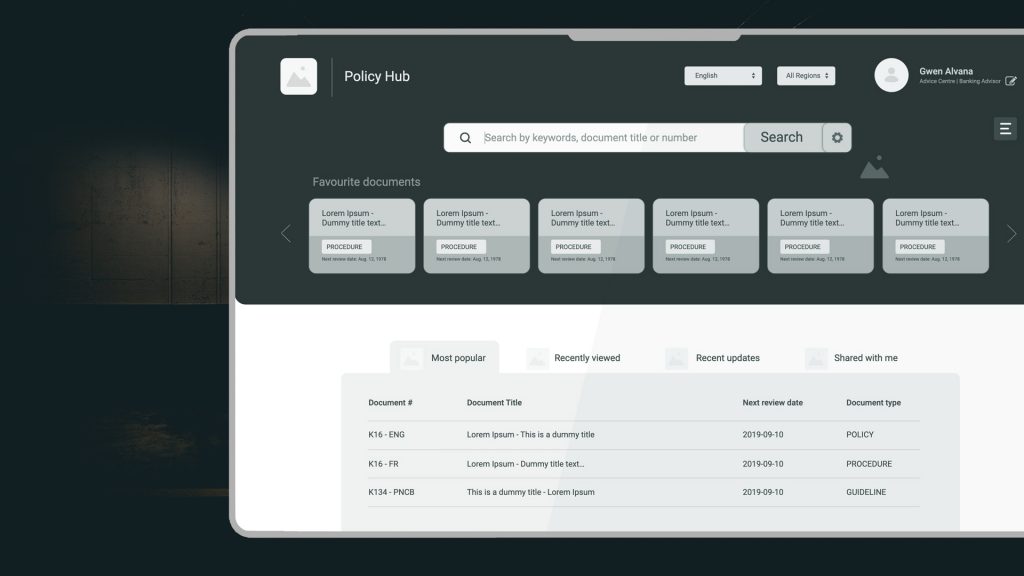
Mockups
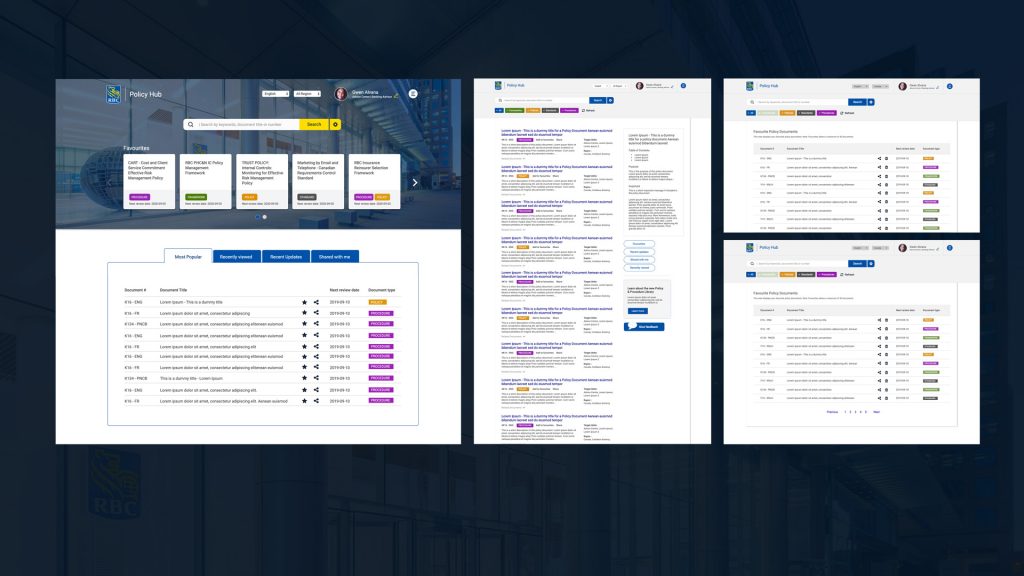
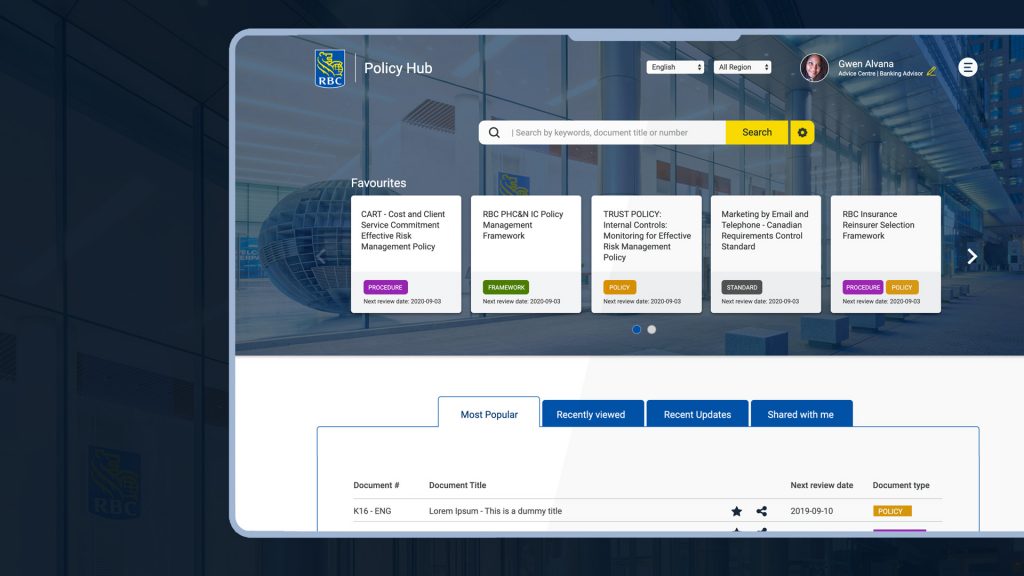
Interactive hi-fi prototype.
Or copy link: https://www.figma.com/proto/BfCsW4ascJ0CaXq8c6qY4g/PTI-Search-Page?node-id=0%3A1129&scaling=min-zoom&page-id=0%3A954&starting-point-node-id=0%3A1129
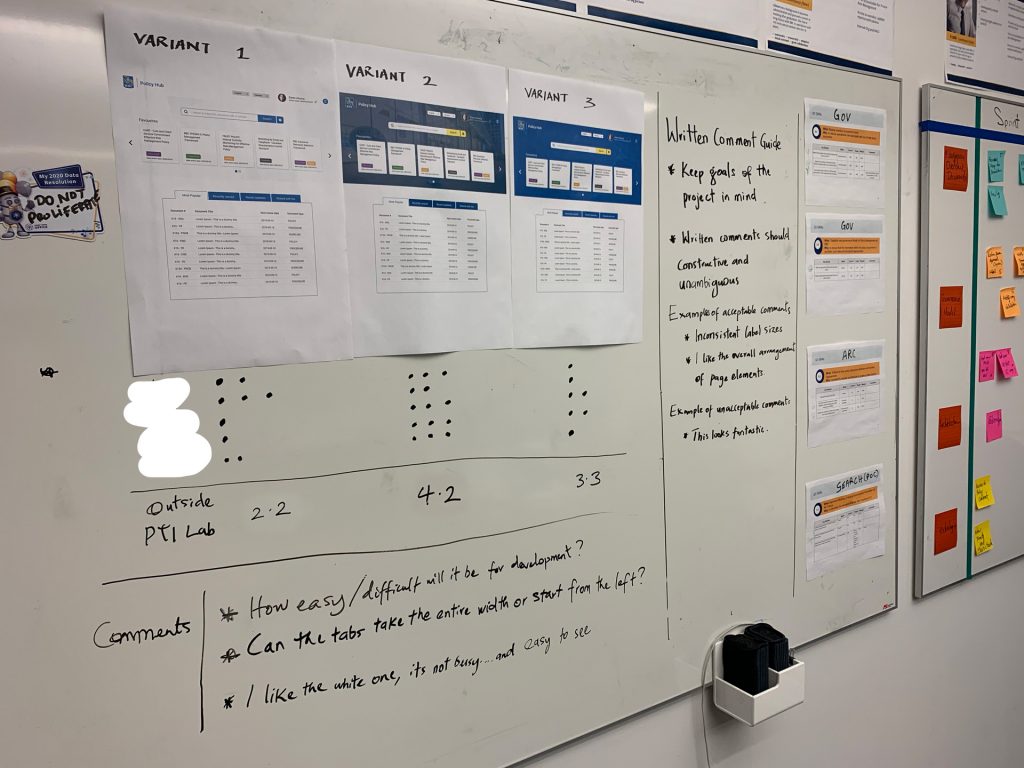
USABILITY TESTING
Using interactive prototypes built with Axure RP, task-based usability testings were done and feedback collected, used to inform more design decisions before hand-off to dev.
Usability & Engagement: Focused on how easily users completed tasks, time spent on tasks and task completion rate. System Usability Scale (SUS) was employed.
Although at this stage, we couldn’t test the search functionalities yet. However, the exercise showed whether there was any navigational problems associated with the new design.
HAND-OFF & ACCESSIBILITY SPECS
Design files to guide development with accessibility annotations and interaction notes, specifying conditional behaviours were delivered to keep the project going.
The design system eliminates the need to recreate components and most accessibility needs are already covered within the system.
This marks the end of my journey of re-imagining PPL Search UX. I immediately moved on to leading design effort on RBC documents’ similarity checker and Business Intelligence Systems to help track, record and present useful interaction data for products.

